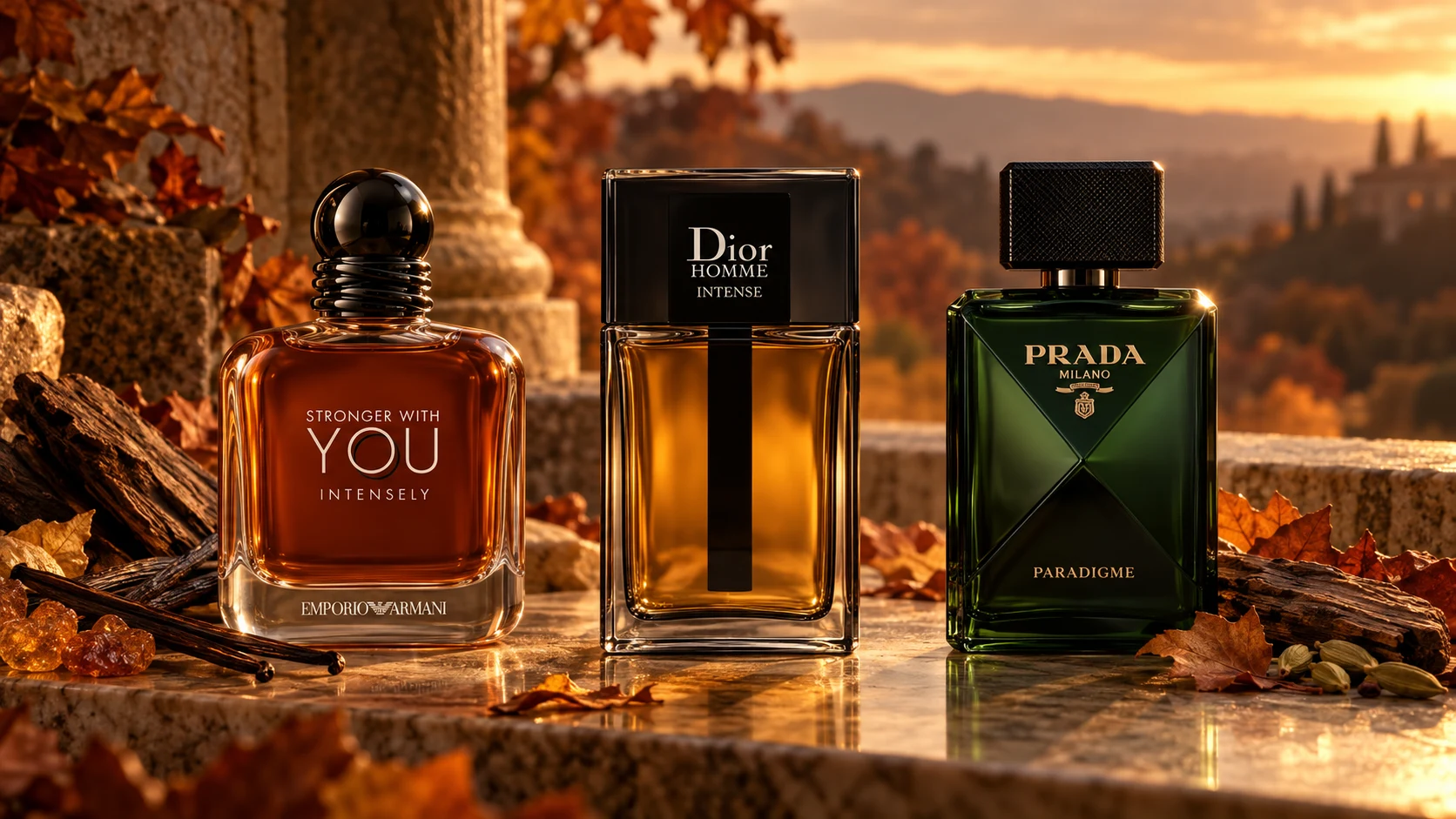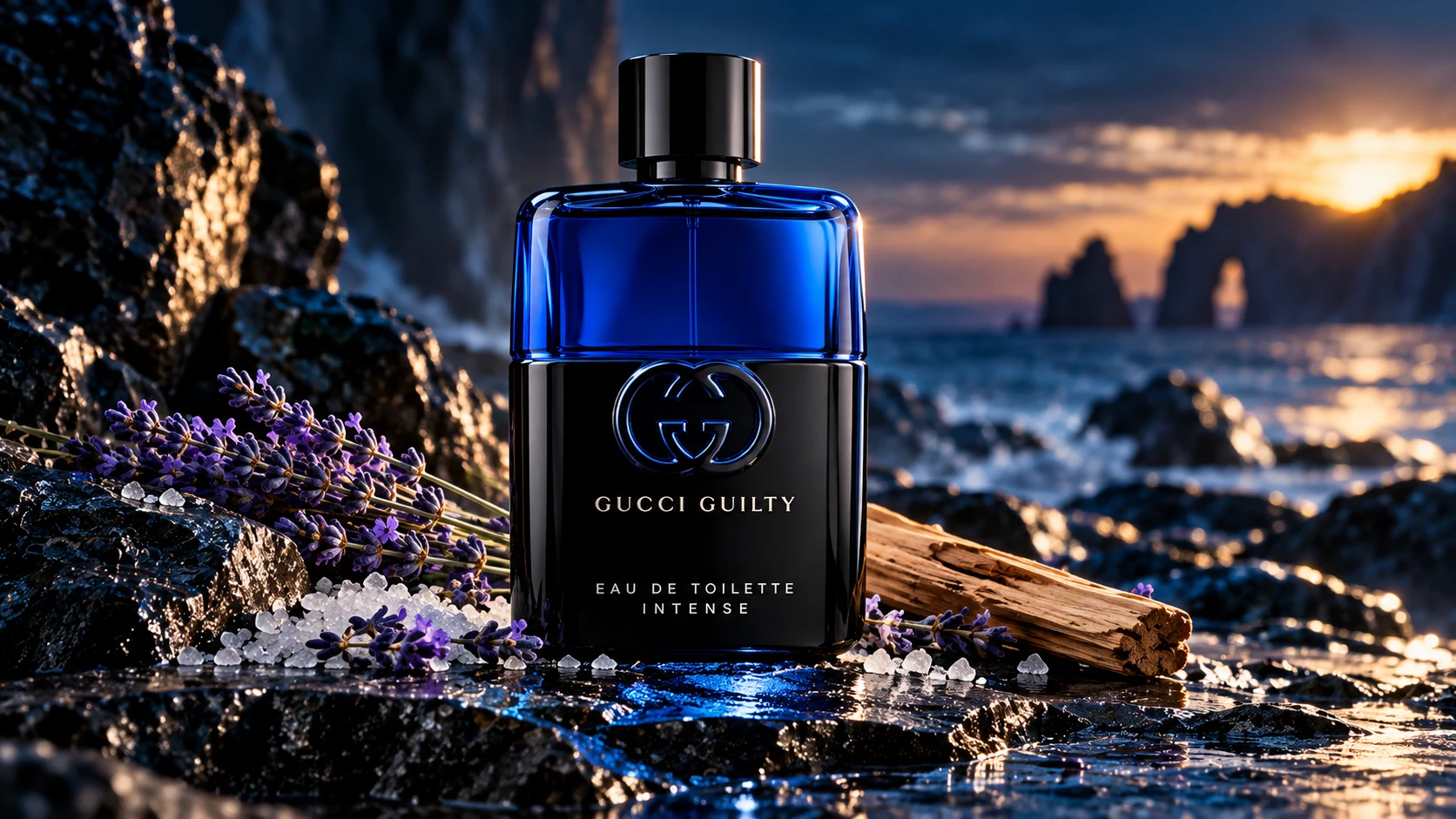

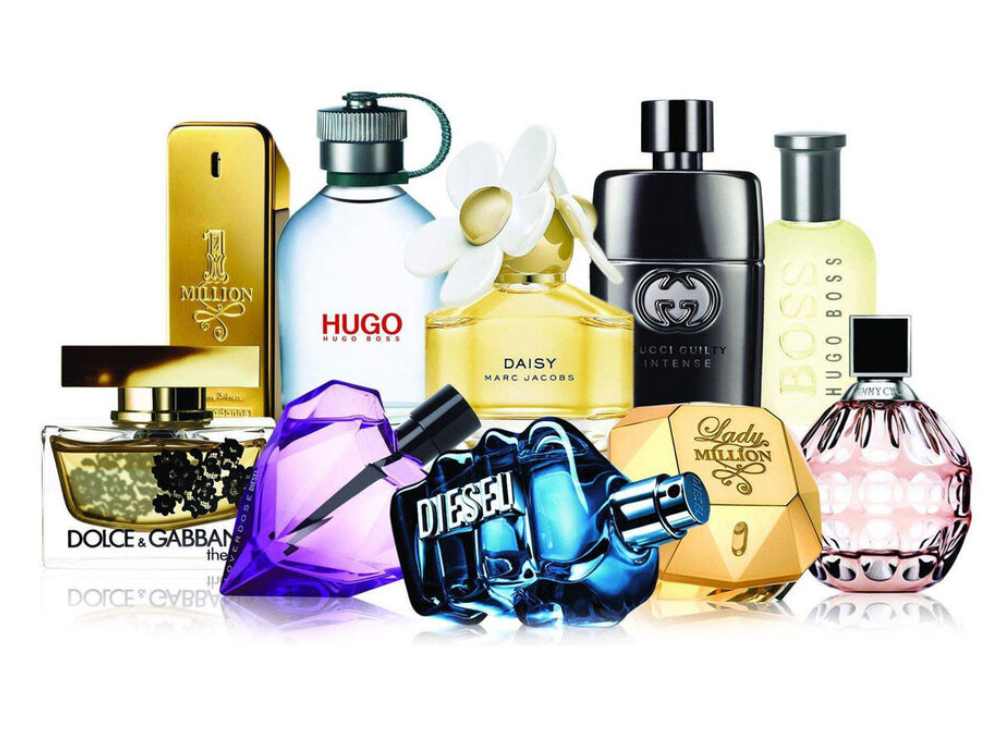
Fragrances are a magical world that tells stories and evokes emotions. We are used to thinking of perfumes as products made "for men" or "for women", but is this division really necessary? Could fragrances be defined simply by their aroma and effect rather than by the wearer's gender? Choosing a scent could be a freedom guided by personal taste rather than stereotypes. Let's take a closer look at whether, and how, fragrances have crossed traditional boundaries.
Table of contents
Gender neutrality in perfumery
For decades the fragrance world was split in two: men's perfumes and women's perfumes. This division was not a natural development but rather a marketing strategy based on society's ideas about gender roles. In recent years, however, there has been a shift – gender-neutral fragrances have gained popularity and proved that the choice of scent does not have to be limited by gender.
Take the 1990s hit CK One, launched by Calvin Klein in 1994. Its release is regarded as a revolution in unisex fragrances: the aim was to break down the strict line between men's and women's scents. Success followed, and it opened the door for the gender-neutral fragrances that came after.
Fragrance notes: the building blocks of a scent
A perfume is more than a smell sealed in a bottle. It is a complex composition made up of three layers: top notes, heart notes and base notes. Each layer is carefully chosen to create harmony and its own "story".
- Top notes: the opening burst of the scent, which you notice right after spraying the perfume. Top notes are often light and fresh, such as citrus, bergamot or even peppermint.
- Heart notes: the heart of the fragrance, which only begins to open up after a few minutes. Heart notes can be floral, like rose or jasmine, or, for example, spicy.
- Base notes: the most lasting part of the perfume. This is where you find deep, rich tones such as sandalwood, amber or musk. These notes give the scent its finishing touch, which lingers for hours.
Personal preference vs. gender stereotypes
It is often assumed that sweet, floral and light scents suit "women", while woody, leathery and strong scents are the domain of "men". In reality, the effect of a fragrance is highly individual – a perfume reacts differently with each person's skin, and the same scent can smell completely different on two people.
Throughout history, fragrances have not always been divided by gender. In ancient Egypt, for example, both men and women used perfumes, mainly for religious reasons or personal hygiene. A clear division into men's and women's fragrances only developed once perfume became a mass-produced, branded product in the 19th and 20th centuries.
Modern trends: the rise of unisex fragrances
Today's fragrance world is moving rapidly towards unisex perfumes, and the trend is driven by both big fashion houses and niche brands. It is not merely a fashion wave but a reflection of a broader cultural change – a movement towards a more inclusive and freer society.
Unisex fragrances do not try to fit into one narrow category; they focus on combining natural and artistic notes to offer something universal. Brands such as Byredo and Le Labo, for example, have become known precisely for their distinctive unisex scents that appeal to people regardless of gender. Designer brands have embraced gender neutrality too: a good example is Tom Ford Oud Wood EDP, worn equally by men and women. Read more about what sets niche and designer perfumes apart, or get to know Tom Ford's new unisex fragrance Bois Pacifique.
Frequently asked questions
Are unisex perfumes suitable for everyone?
Yes, the charm of unisex perfumes lies precisely in their universality. If you are open to experimenting and find a scent that speaks to you, there is no reason to worry.
Are there significant differences in the composition of men's and women's fragrances?
Often the differences are based on marketing rather than on the actual composition of the scent. Citrus and woody notes, for example, find a place in both women's and men's fragrances.
How is the longevity of unisex fragrances achieved?
Unisex fragrances often rely on rich base notes such as sandalwood, amber and musk, which help the scent last longer. Longevity is also influenced by the concentration of the fragrance – read more in the article understanding perfume concentrations.
Conclusion
Let's be honest – fragrances know no genders or boundaries. The fragrance world is ready for change, and perhaps you are too. Experiment and discover what suits you. It does not matter whether a scent is meant for "men" or "women" – if it makes you happy, it is the right one.